
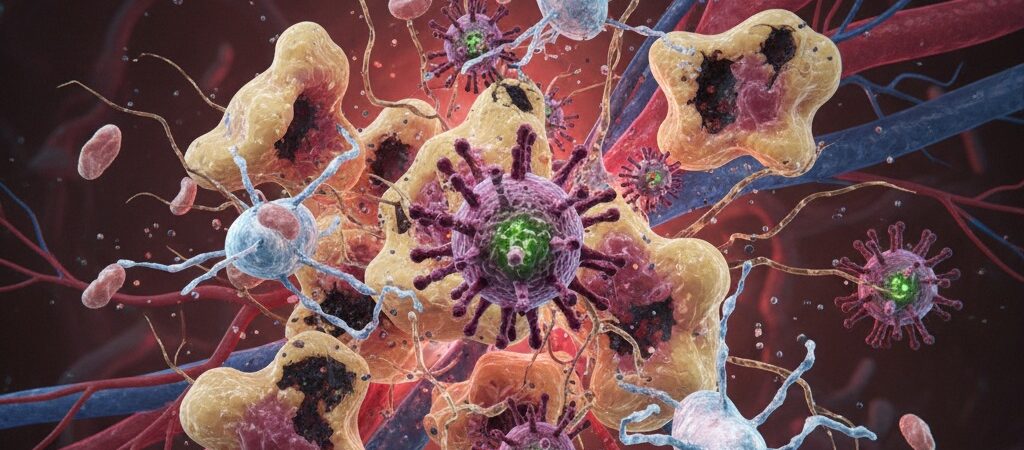
What Causes Infections?
Infections are a critical health concern that arise when pathogens invade the body, leading to various illnesses. These pathogens primarily include bacteria, viruses, fungi, and parasites, each capable of causing distinct types of infections. The onset of these infections is not merely a matter of chance; rather, it is influenced by a variety of factors that can increase susceptibility.
Pathogens thrive in particular environments, and behaviors can play a significant role in their transmission. For instance, close contact with an infected individual, inadequate sanitation, and unsanitary food handling are notable contributors to the spread of bacterial and viral infections. Areas with poor hygiene practices and insufficient access to clean water often experience higher rates of infection, as these conditions facilitate the survival and transmission of pathogens.
Additionally, the state of an individual’s immune system is crucial in determining vulnerability to infections. A weakened immune system, whether due to chronic diseases, certain medications, or nutritional deficiencies, can leave an individual defenseless against pathogens. Conditions such as diabetes, HIV/AIDS, and cancer significantly diminish the body’s ability to fight off infections, resulting in higher risks of complications.
Underlying health conditions can also exacerbate the likelihood of infections. For instance, individuals with respiratory or cardiovascular diseases might experience more severe consequences from respiratory tract infections. With such a multitude of factors contributing to the onset of infections, understanding these causes emphasizes the importance of preventive measures, including maintaining good hygiene, seeking regular medical care, and addressing any underlying health issues promptly. By recognizing these risks, individuals can take proactive steps to safeguard their health and well-being.
Types of Infections
Infections can be classified into four primary categories: bacterial, viral, fungal, and parasitic. Each type of infection has distinct characteristics, modes of transmission, and impacts on the human body, thus highlighting the diversity of pathogens that can cause illness.
Bacterial infections, which arise from the proliferation of harmful bacteria, are among the most common types. These infections can affect various body systems, leading to conditions such as strep throat, pneumonia, and urinary tract infections. Streptococcus bacteria, for instance, are known for causing strep throat, which is characterized by a sore throat, fever, and swollen lymph nodes. Effective treatment typically involves antibiotics that target the specific bacteria causing the infection.
Viral infections, caused by viruses, differ significantly from bacterial infections in how they operate. Viruses invade healthy cells and reproduce within them. Common examples include influenza and the common cold, both of which can lead to respiratory complications. Unlike bacterial infections, viral infections are generally not treated with antibiotics, as they require antiviral medications or supportive care to alleviate symptoms.
Fungal infections result from the overgrowth of fungi, which can occur on the skin, nails, or within the body. A prevalent example is athlete’s foot, which affects the skin between the toes and is often associated with damp environments. Treatment for fungal infections typically involves antifungal medications, which are specifically designed to eliminate the fungi causing the infection.
Lastly, parasitic infections are caused by parasites that live on or within a host organism. These include diseases such as malaria, which is transmitted through infected mosquitoes and affects the blood. Treatment for parasitic infections may involve antiparasitic medications, addressing the specific parasite involved.
Overall, understanding the various types of infections is paramount to recognizing their potential health impacts and pursuing effective treatments to prevent complications.
Consequences of Untreated Infections
The ramifications of ignoring infections can be severe and far-reaching. Untreated infections have the propensity to lead to various complications that can affect overall health, quality of life, and longevity. One notable consequence is the possibility of the infection spreading to other areas of the body. For instance, a simple urinary tract infection (UTI) can escalate into a serious kidney infection if not addressed promptly. This progression not only complicates treatment but also heightens the risk of hospitalization and long-term damage.
Beyond the immediate physical implications, untreated infections can also pave the way for chronic diseases to develop. For example, chronic untreated infections, such as those linked with hepatitis or HIV, can have irreversible effects on the immune system, leading to lifelong health challenges. Data from the World Health Organization reveal that approximately 7 million deaths each year can be attributed to complications arising from untreated infectious diseases, underscoring the gravity of the issue.
Moreover, the emergence of antibiotic resistance is another alarming consequence tied to inadequate treatment of infections. When infections are not treated or are treated improperly, bacteria can develop resistance to antibiotics, making future infections much harder to manage. The Centers for Disease Control and Prevention has noted that in the United States alone, antibiotic-resistant infections claim at least 23,000 lives annually. This scenario not only complicates subsequent medical interventions but can also lead to increased healthcare costs and extended hospital stays.
Case studies illustrate the need for immediate intervention; for instance, a previously healthy adult developing sepsis due to an untreated bacterial infection highlights the potential severity of negligence. In conclusion, recognizing and addressing infections promptly is crucial in mitigating their serious repercussions and safeguarding overall health.
Prevention and Treatment of Infections

Preventing infections requires a multifaceted approach involving vaccination, proper hygiene, and informed lifestyle choices. Vaccination remains one of the most significant strategies in infection prevention. Vaccines are formulated to help the immune system recognize and combat specific pathogens, thereby reducing the incidence of infectious diseases such as influenza, measles, and hepatitis. Adhering to vaccination schedules recommended by health authorities is crucial in fostering community immunity and diminishing the spread of infections.
In addition to vaccinations, practicing proper hygiene can significantly lower the risk of infections. Regular handwashing with soap and water, especially after using the restroom or before food preparation, is a simple yet effective method to remove pathogens. The use of alcohol-based hand sanitizers can be an alternative when soap is unavailable. Furthermore, respiratory hygiene, such as covering the mouth and nose during sneezing or coughing, helps prevent airborne infections from spreading.
Making conscious lifestyle choices also contributes to infection prevention. A balanced diet rich in essential nutrients strengthens the immune system, while regular exercise enhances overall health. Adequate sleep is equally important, as it allows the body to recover and maintain optimal immune function. Avoiding smoking and excessive alcohol consumption are additional steps individuals can take to minimize their risk of infections.
Should an infection occur, it is vital to seek medical care at the first sign of illness. Early intervention can mitigate the severity of infections and prevent complications. Treatment modalities vary based on the type of infection and may include antibiotics for bacterial infections and antiviral medications for viral illnesses. Healthcare professionals play a crucial role in managing infections, ensuring that treatments are appropriate and effective. Timely medical attention and adherence to prescribed treatment protocols can significantly reduce the risk of severe outcomes, emphasizing the importance of recognizing symptoms and acting swiftly.