
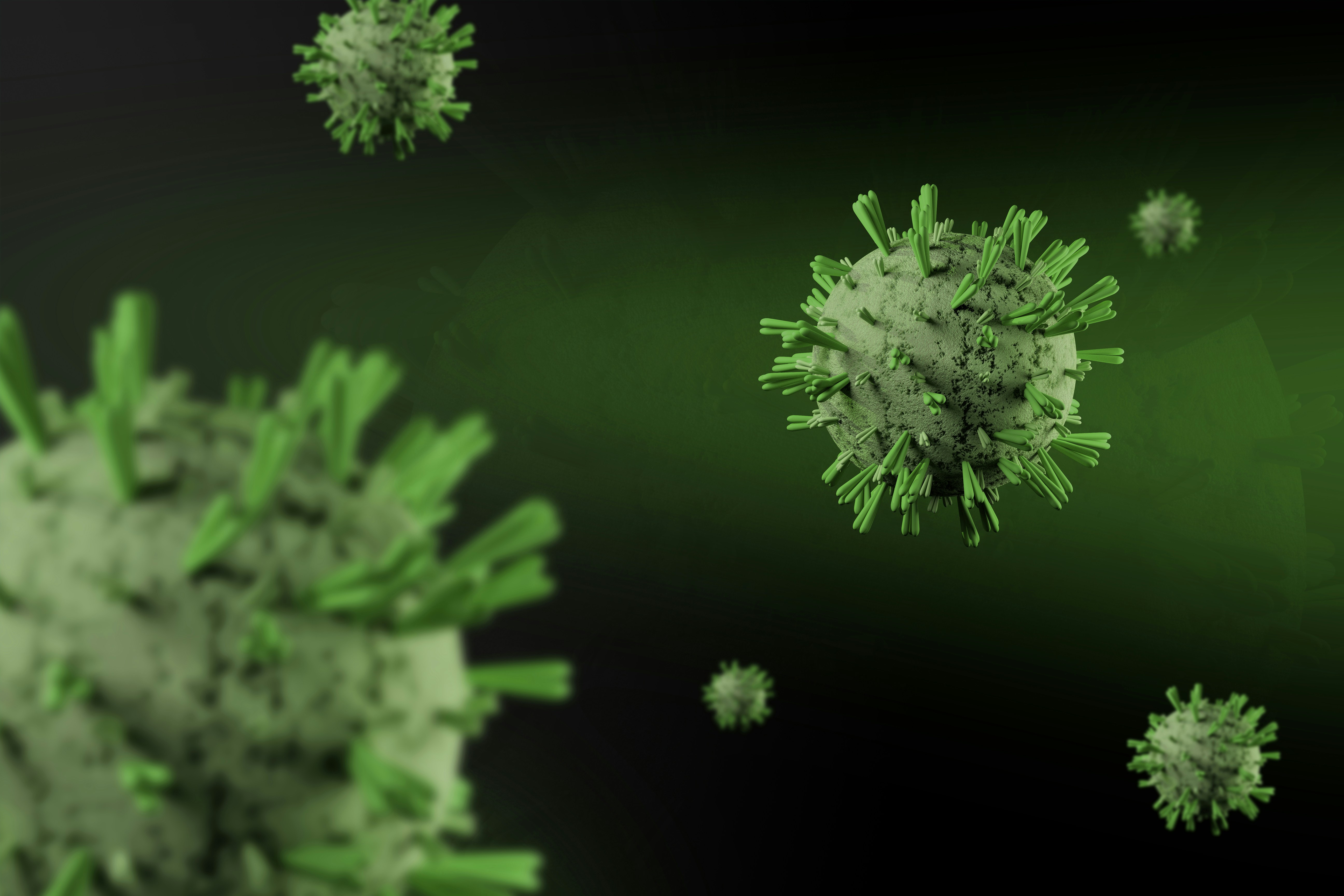
Introduction to Bacteria and Viruses
Bacteria and viruses are two distinct types of microorganisms that play significant roles in various ecological and health-related contexts. Bacteria are single-celled organisms that belong to prokaryotes, characterized by their lack of a nucleus and other membrane-bound organelles. They are classified based on their shape, metabolic processes, and genetic characteristics. The three main shapes of bacteria are cocci (spherical), bacilli (rod-shaped), and spirilla (spiral-shaped). They can thrive in diverse environments, including soil, water, and even the human body, where they can be either beneficial or pathogenic.
In contrast, viruses are much smaller and simpler than bacteria. They are not classified as living organisms since they cannot reproduce independently; instead, viruses require a host cell to replicate and spread. These entities consist of a core of either DNA or RNA protected by a protein coat, known as a capsid. Viruses are categorized based on their genetic material, shape, and method of replication. Their life cycles can lead to various outcomes for host organisms, from benign relationships to severe diseases.
One of the fundamental differences between bacteria and viruses is their ability to reproduce. Bacteria can reproduce through binary fission, a process where a single cell divides into two identical daughter cells. Conversely, viruses hijack the reproductive machinery of their host cells to produce an array of new viral particles, which can lead to cell lysis and subsequent infection of other cells. Despite these differences, both bacteria and viruses can significantly impact human health, from causing infections to contributing to metabolic processes in the human microbiome.
The Science of Bacteria
Bacteria are single-celled microorganisms that are ubiquitous in various environments, ranging from soil and water to the human body. These prokaryotic organisms possess a simple structure, typically characterized by a rigid cell wall, a cell membrane, and genetic material in the form of circular DNA. Notably, bacteria lack membrane-bound organelles, which distinguishes them from eukaryotic cells. The diverse shapes of bacteria—such as cocci (spherical), bacilli (rod-shaped), and spirilla (spiral)—serve as a foundational classification criterion.
Bacterial reproduction occurs primarily through a process known as binary fission, in which a single bacterial cell divides into two identical daughter cells. This method allows for rapid population growth under favorable conditions, enabling bacteria to thrive in various environments. Bacteria can be classified into several types, including gram-positive and gram-negative, based on their cell wall composition, which significantly impacts their behavior and susceptibility to antibiotics.
The roles of bacteria in ecosystems are profoundly significant. They contribute to nutrient cycling, decomposition, and the transformation of organic material into usable forms for other organisms. In the human body, beneficial bacteria, commonly referred to as probiotics, contribute positively to health by aiding digestion, synthesizing essential vitamins, and maintaining a balanced microbiome. The gut microbiota, comprising trillions of bacterial cells, plays a critical role in digestion and immune function, highlighting the importance of these microorganisms in human health.
Despite their beneficial roles, certain bacteria can cause diseases and infections. Pathogenic bacteria can invade host tissues, leading to conditions ranging from mild ailments to severe illnesses. Understanding the dual nature of bacteria—both beneficial and harmful—is essential for maximizing their positive roles while mitigating the adverse effects that some bacterial species may pose to human health.
The World of Viruses
Viruses represent a unique class of microorganisms that are fundamentally different from bacteria. Characterized by their simple structure, viruses consist of genetic material, either DNA or RNA, encapsulated in a protein coat known as a capsid. In some cases, they may also possess an outer lipid envelope. Unlike bacteria, viruses do not have the cellular machinery required for independent metabolism or reproduction; they are reliant on host cells for their lifecycle.
Upon entering a susceptible host, a virus attaches to specific receptors on the surface of the host cell. This attachment is followed by the penetration of the viral genetic material into the host, which can occur through various mechanisms depending on the type of virus. Once inside, the virus hijacks the host cell’s machinery, redirecting it to replicate its genetic material and produce viral proteins. This process not only facilitates the replication of the virus but also results in the assembly of new viral particles, which are eventually released to infect neighbouring cells.
Viruses exhibit an extraordinary diversity, with thousands of different types identified, ranging from those that cause the common cold to more severe diseases such as HIV/AIDS or Ebola. They can infect a wide array of living organisms including humans, animals, and plants, leading to various outcomes. In some instances, viral infections can trigger an immune response that helps clear the infection, while in other cases, they can lead to chronic illnesses or even death.
Furthermore, viruses play complex roles in ecosystems. For instance, bacteriophages are viruses that specifically infect bacteria, influencing bacterial populations and thereby impacting nutrient cycling in different environments. Understanding viruses and their interactions with hosts is crucial for advancing medical research and developing effective treatments and vaccines, underscoring their significant impact on human health and biodiversity.
Key Differences Between Bacteria and Viruses
Bacteria and viruses represent two distinct categories of microorganisms, each exhibiting unique characteristics that define their behavior and impact on human health. One of the most notable differences between these entities is their size. Generally, bacteria are significantly larger than viruses, typically ranging from 0.5 to 5 micrometers, whereas viruses can be as small as 20 to 300 nanometers. This discrepancy in size leads to different structural features.
Bacteria are prokaryotic cells, which means they possess a complex cellular structure, including a cell wall, cell membrane, and ribosomes. In contrast, viruses are acellular entities composed of genetic material encased in a protein coat; they lack the machinery needed for independent metabolism. As a consequence, bacteria can reproduce independently through a process known as binary fission, which involves a straightforward division of the parent cell into two identical daughter cells. On the other hand, viruses cannot replicate by themselves; they must invade a host cell and hijack the host’s cellular machinery to produce new virus particles.
The response to treatment is another critical area where bacteria and viruses differ. Bacterial infections can typically be treated with antibiotics, which target specific bacterial functions or structures without harming human cells. Conversely, antiviral medications are required to treat viral infections, as antibiotics are ineffective against viruses. This fundamental distinction is vital for proper diagnosis and treatment, as misuse of antibiotics against viral infections can lead to increased resistance and complications. This multifaceted understanding of bacteria and viruses highlights their distinct roles in health and disease, clarifying many common misconceptions.
The Role of Bacteria and Viruses in Human Health
Bacteria and viruses are two types of microorganisms that play significant roles in human health, exhibiting both beneficial and harmful properties. Beneficial bacteria, such as those found in probiotics, contribute positively to health by aiding digestion, enhancing gut flora balance, and supporting the immune system. Probiotics help prevent gastrointestinal disorders and can even improve mental health through the gut-brain axis, illustrating the complex interplay between these microorganisms and overall well-being.
Conversely, certain bacteria and viruses are recognized as pathogens that can lead to disease. For example, pathogenic bacteria like Streptococcus pneumoniae can cause pneumonia, while viruses such as influenza and SARS-CoV-2 lead to severe respiratory illnesses. The harmful impact of these organisms emphasizes the importance of understanding the balance between beneficial and harmful strains present in our bodies and environments.
The human immune system is adept at recognizing and responding to these microorganisms. When confronted with pathogens, the immune system activates numerous defenses, including the production of antibodies and the mobilization of white blood cells. This adaptive immune response is crucial for fighting infections and is significantly enhanced through vaccination. Vaccines work by training the immune system to recognize and combat specific viruses without causing the disease itself. For instance, the measles, mumps, and rubella (MMR) vaccine exposes the immune system to weakened forms of these viruses, fostering a long-lasting immunity that can effectively deter future infections.
In conclusion, bacteria and viruses serve as double-edged swords in the realm of human health. While beneficial bacteria support various functions vital for our health, harmful bacteria and viruses can bring about disease and compromise well-being. Understanding these roles, alongside the immune response mechanisms and the benefits of vaccination, is essential in navigating the complexities of our interactions with these microorganisms.
Treatment and Prevention of Bacterial and Viral Infections
Bacterial and viral infections present unique challenges in medical treatment and prevention. The strategies for addressing these types of infections differ significantly due to their distinct biological characteristics. Antibiotics are the primary form of treatment for bacterial infections. These powerful medications target specific bacterial functions essential for their survival and reproduction. However, it is imperative to note that antibiotics are ineffective against viral infections, as viruses do not possess the cellular structures that antibiotics target.
For viral infections, antiviral medications are utilized. Antivirals work by interfering with the virus’s ability to replicate within the host cells. They may inhibit viral entry, replication, or release from infected cells. Commonly used antiviral drugs include those for treating conditions like influenza, HIV, and herpes. While treatments are available, prevention remains a vital strategy against both bacterial and viral infections.
The role of vaccines cannot be overstated in the prevention of viral infections. Vaccines stimulate the immune system to recognize and fight specific pathogens without causing the disease. Successful vaccination programs have led to significant declines in diseases such as measles and polio. For bacterial pathogens, vaccines also exist, offering protection against serious infections such as tetanus and meningitis.
Moreover, robust hygiene practices, including regular hand washing and sanitation, play a crucial role in preventing the transmission of both bacteria and viruses. Public health measures, such as health education campaigns, have also proven effective in reducing infection rates. Surveillance of outbreaks and rapid response initiatives are essential in managing public health risks associated with infectious diseases. By combining medical interventions and preventive strategies, societies can effectively combat the threats posed by bacterial and viral infections.
Emerging Bacterial and Viral Threats
The landscape of infectious diseases is continuously evolving, with emerging bacterial and viral threats posing significant challenges to global health. Among the paramount concerns is the rise of antibiotic-resistant bacteria, often referred to as “superbugs.” These pathogens, which include strains like Methicillin-resistant Staphylococcus aureus (MRSA) and multi-drug resistant tuberculosis, have developed mechanisms that render common antibiotics ineffective. The emergence of such resistant strains is attributed to factors such as overuse and misuse of antibiotics in both human medicine and agriculture. The consequences of this resistance are far-reaching, leading to prolonged illnesses, increased healthcare costs, and higher mortality rates.
In addition to bacterial threats, recent years have witnessed new viral outbreaks that impact public health on a global scale. Notably, the COVID-19 pandemic highlighted the rapid transmissibility of coronaviruses, emphasizing how interconnected the world is. Other viruses, such as novel strains of influenza, also necessitate vigilant monitoring and research to prevent widespread outbreaks. In many cases, these viruses can mutate quickly, complicating our ability to develop effective vaccines and treatments. The potential for zoonotic diseases, which are transmitted from animals to humans, further underscores the necessity for robust surveillance and research in both wildlife and domestic animals.
The implications of these emerging threats are profound, emphasizing the importance of a proactive approach in public health. Global collaborations among scientists, healthcare providers, and governments are essential for monitoring emerging bacterial and viral pathogens. Ongoing research into vaccines, antibiotic alternatives, and public health strategies plays a critical role in mitigating these threats and protecting human health. Therefore, understanding the dynamics of these emerging pathogens is vital in addressing the challenges they present across different populations globally.
The Interaction Between Bacteria and Viruses
Bacteria and viruses represent two distinct categories of microorganisms, each with unique characteristics and life cycles. One fascinating area of their interaction is the role of bacteriophages, or simply phages, which are viruses that specifically infect bacteria. Bacteriophages are among the most abundant entities in nature, significantly impacting bacterial populations in various ecosystems. Their competitive dynamics can shape microbial communities by selectively infecting and killing specific bacterial strains. This interaction plays a crucial role in maintaining the ecological balance within these communities.
Phages possess a remarkable ability to alter bacterial behavior and enhance genetic diversity through processes such as transduction, where viral DNA is incorporated into bacterial genomes. This can lead notable shifts in bacterial traits, potentially introducing pathogenic features into previously harmless strains. Such genetic exchange may pose challenges for public health, particularly in the context of antibiotic resistance, as it can strengthen the resilience of pathogenic bacteria.
In the realm of medicine, the potential therapeutic uses of bacteriophages have generated considerable interest as an alternative to traditional antibiotics. Phage therapy involves utilizing specific phages to target and destroy antibiotic-resistant bacterial infections. This method is seen as particularly valuable given the rising prevalence of multi-drug-resistant bacteria, which present significant challenges to current treatment protocols. Research into phage therapy is ongoing, with clinical trials aiming to establish its efficacy and safety in humans.
The interaction between bacteria and viruses, specifically through bacteriophages, underscores the complexity of microbial ecosystems and their relevance to human health. Understanding these interactions could pave the way for innovative medical treatments and strategies to manage bacterial infections, highlighting the intricate relationships that govern microbial life. This ongoing exploration will undoubtedly yield significant insights into how best to address the challenges posed by infectious diseases and antibiotic resistance.
Conclusion: The Importance of Understanding Bacteria and Viruses
Understanding bacteria and viruses is increasingly critical in today’s world as these microorganisms play substantial roles in public health, medicine, and ecology. Bacteria, which can be both beneficial and harmful, contribute to various bodily functions, such as digestion and immunity, while pathogenic bacteria cause diseases that pose significant health risks. Conversely, viruses are often viewed solely through the lens of their disease-causing abilities; however, they are also utilized in innovative medical therapies, such as viral vector vaccines and gene therapy, showcasing their complex nature.
The ongoing study of bacteria and viruses has profound implications. In public health, knowledge about these organisms aids in developing effective vaccines and treatments, preventing outbreaks, and managing antibiotic resistance. The emergence of new viral strains, as observed during pandemics, further emphasizes the need for comprehensive research into viral behavior and transmission dynamics. Understanding these microorganisms empowers healthcare professionals and the general population to take informed measures, enhancing disease prevention and management strategies.
Moreover, the ecological balance involving bacteria and viruses is fundamental to maintaining healthy ecosystems. These microorganisms interact in intricate ways with other organisms, influencing nutrient cycling, soil health, and overall biodiversity. Recognizing this interconnectedness underscores the necessity for integrated approaches to environmental and health policies addressing both microbial and ecological health. In conclusion, comprehending the roles of bacteria and viruses is essential not only for healthcare advancements but also for fostering a sustainable relationship with our environment. A well-rounded awareness of these organisms ensures that society can effectively navigate the challenges posed by microbial threats and harness their beneficial potentials for a healthier future.