
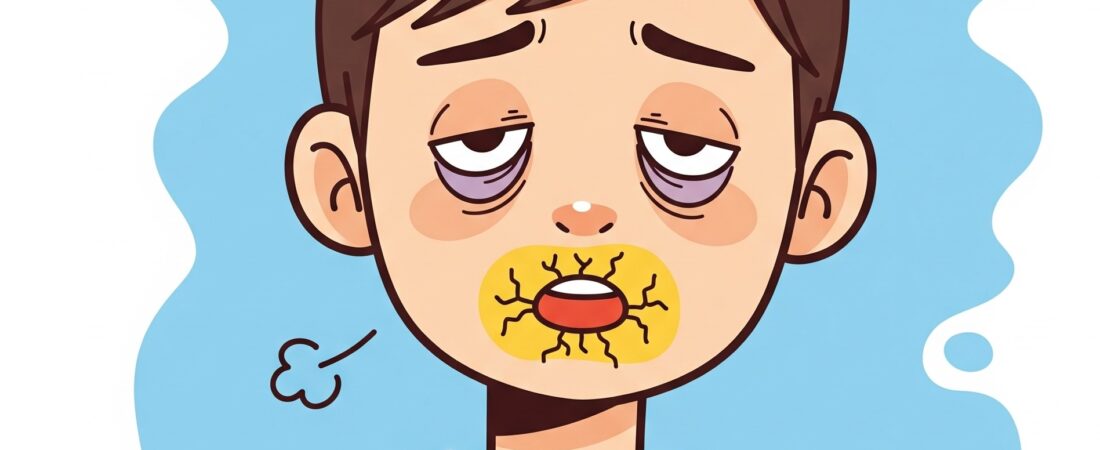
Understanding Dehydration
Dehydration is a condition that arises when the body loses more fluids than it takes in, resulting in a deficiency that adversely affects normal physiological functions. It can occur due to various factors, predominantly excessive fluid loss through activities such as vigorous exercise, hot weather conditions, or illnesses that involve vomiting and diarrhea. Inadequate fluid intake further exacerbates the likelihood of dehydration. Engaging in any of these activities without sufficient hydration can quickly deplete the body’s water reserves.
There are three primary types of dehydration: isotonic, hypertonic, and hypotonic. Isotonic dehydration involves an equal loss of water and electrolytes, resulting in stable osmotic balance. Hypertonic dehydration, on the other hand, involves more water loss relative to electrolytes, causing an increase in solute concentration and potentially leading to cellular dysfunction. Conversely, hypotonic dehydration occurs when electrolyte loss is greater than that of water, leading to potential cellular swelling and complications due to the osmotic imbalance.
The physiological mechanisms that trigger dehydration are closely linked to the body’s intricate electrolyte systems and fluid balance. Electrolytes, such as sodium and potassium, play essential roles in maintaining fluid distribution across cellular membranes. When the body becomes dehydrated, it may attempt to compensate by redirecting fluids from various tissues, which can lead to a decrease in blood volume and, subsequently, lowered cardiovascular function. This adaptive response, however, can only last for a limited duration before more serious complications arise, reflecting the critical need for adequate hydration. Understanding the dynamics of dehydration is fundamental for recognizing its implications on health and preventing its onset through mindful hydration practices.
Short-term Effects of Dehydration
Dehydration occurs when the body loses more fluids than it consumes, leading to an imbalance that can affect various physiological and cognitive functions. Even mild dehydration can manifest itself through a variety of immediate symptoms, including thirst, dry mouth, fatigue, dizziness, and decreased urine output. These symptoms serve as warning signals and are indicative of the body’s urgent requirement for hydration.
One of the most common initial signs of dehydration is an increased sense of thirst. This natural response prompts individuals to seek out fluids to restore balance. Alongside thirst, a dry mouth is often experienced, which can be uncomfortable and distracting. These physical sensations are often accompanied by fatigue, making it increasingly difficult to engage in regular daily tasks or physical activities. As the body’s energy reserves become depleted without adequate hydration, individuals may find it challenging to perform at their usual or desired levels.
Cognitive performance can also be significantly affected by dehydration. Even slight decreases in hydration can lead to difficulties in concentration and an increase in feelings of irritability. Studies have shown that cognitive tasks, such as memory recall and decision-making, may be adversely affected. For instance, individuals may struggle with focus during essential tasks or experience slower reaction times, ultimately linking hydration status to cognitive clarity and efficiency.
Moreover, a noticeable reduction in urine output typically accompanies these symptoms, signaling that the kidneys are conserving water due to insufficient fluid intake. This decrease can be alarming and is a physical reminder of the need for adequate hydration. Overall, recognizing the short-term effects of dehydration is crucial for maintaining optimal health and performance in both physical and cognitive realms.
Long-term Consequences of Chronic Dehydration
Chronic dehydration can have significant, long-lasting impacts on various systems of the human body, contributing to both immediate discomfort and severe health issues over time. When the body is consistently deprived of adequate hydration, several physiological processes become compromised, leading to a cascade of potentially detrimental outcomes.
One of the most concerning effects of chronic dehydration is the risk of kidney damage. The kidneys play a vital role in filtering impurities from the blood while regulating fluid balance. Persistent inadequate fluid intake can lead to an increased concentration of toxins in kidney tissues, which may result in kidney stones or, in severe cases, chronic kidney disease. Over time, this deterioration can significantly impair kidney function, necessitating medical intervention.
Furthermore, chronic dehydration can predispose individuals to urinary tract infections (UTIs). A well-hydrated body typically facilitates the regular flushing of bacteria from the urinary tract, preventing infections. However, insufficient fluid intake reduces urine production, allowing pathogens to multiply, which can lead to frequent UTIs and associated complications.
Beyond these immediate health concerns, prolonged dehydration has been linked to an elevated risk of chronic diseases, including cardiovascular issues. Dehydration can cause blood volume to decrease, which may strain the heart and lead to hypertension or other cardiovascular complications. Additionally, heat-related illnesses, such as heat exhaustion or heat stroke, can become more prevalent, especially during warmer months. As the body loses water, it becomes less effective at regulating temperature, posing serious risks during physical exertion.
In light of these potential long-term consequences, it becomes crucial to prioritize regular hydration. Maintaining adequate fluid intake is essential not only for immediate health but also for long-term well-being and the prevention of chronic medical conditions.
Tips for Staying Hydrated
Maintaining proper hydration levels is crucial for overall health and wellness. The general guideline for daily water intake is about eight 8-ounce glasses, commonly referred to as the “8×8” rule, which equates to approximately 2 liters or half a gallon. However, individual hydration needs can vary based on factors such as age, sex, physical activity, and environmental conditions. It is important to listen to your body and adjust your intake accordingly.
One of the key signs of dehydration is thirst; however, it is a misconception that thirst is the only indicator. Other signs include dry mouth, fatigue, dizziness, and dark yellow urine. It is essential to monitor these symptoms diligently, especially in conditions that may lead to increased fluid loss, such as heat or exercise. During physical activity, aim to drink water before, during, and after exercise to replenish fluids lost through sweat. Sports drinks can also be beneficial for intense workouts, as they replace lost electrolytes.
Staying hydrated doesn’t have to rely solely on water. Incorporating hydrating foods such as fruits and vegetables can significantly contribute to your daily hydration needs. Foods like watermelon, cucumbers, oranges, and strawberries contain high water content and can effectively help maintain hydration levels throughout the day. Additionally, beverages like herbal teas and low-sugar electrolyte drinks can augment fluid intake.
It is also advisable to establish a routine for drinking water. Carrying a reusable water bottle can serve as a reminder and make hydration more accessible. It is essential to dispel the myth that hydration is only necessary when thirsty; it is beneficial to adopt proactive measures to ensure adequate fluid intake.