
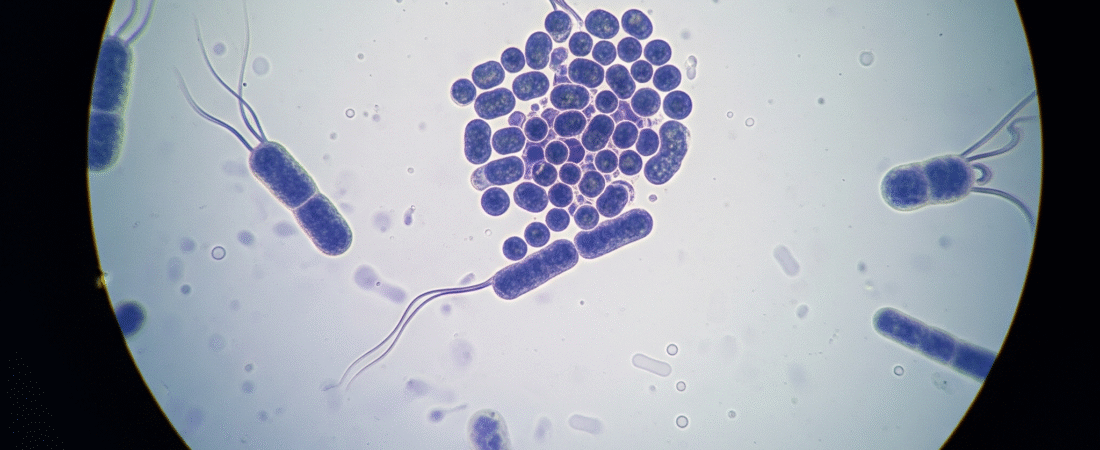
When we think of food poisoning, one name often comes up: Salmonella. This tiny but dangerous bacterium is responsible for millions of illnesses every year, often from everyday foods we trust. But what exactly is Salmonella, how does it affect your health, and how do you know if you’ve been infected?
What is Salmonella?
Salmonella is a group of bacteria commonly found in the intestines of animals and humans. Most people get infected by eating foods contaminated with animal feces, and the scary part? Contamination isn’t always visible, and the food might look, smell, and taste perfectly normal.
Foods most commonly linked to Salmonella include:
- Undercooked poultry or meat
- Raw or lightly cooked eggs
- Unpasteurized milk and dairy products
- Contaminated fruits and vegetables
- Even dry foods like spices or peanut butter
You can also get infected by touching animals like reptiles, birds, or even pet turtles and then accidentally transferring the bacteria to your mouth by eating without washing your hands.
How Does Salmonella Affect Your Health?
Salmonella targets your digestive system. Once it enters your gut, it begins to multiply and irritate your intestinal lining. For most healthy people, the result is acute gastroenteritis — a sudden inflammation of the stomach and intestines.
The most common symptoms include:
- Diarrhea (sometimes bloody)
- Abdominal cramps
- Fever
- Nausea or vomiting
- Headache and fatigue
These symptoms usually begin within 6 to 72 hours after exposure and may last up to a week. But for some, the impact can be far more serious. In young children, elderly individuals, pregnant women, and people with weakened immune systems, Salmonella can lead to severe dehydration, hospitalization, and in rare cases, it can spread to the bloodstream, leading to life-threatening complications like sepsis or reactive arthritis.
How Do You Know If You Have a Salmonella Infection?
It’s easy to mistake a Salmonella infection for a common stomach bug, but there are important signs that set it apart and confirming it medically is the safest path.
While some people recover without testing, a proper diagnosis is essential, especially if symptoms are severe, prolonged, or if the patient is part of a high-risk group (children, the elderly, pregnant women, or individuals with weak immune systems).
Doctors may perform several evaluations, but a blood test is often the most reliable way to detect a Salmonella infection, especially if:
- You have a persistent fever
- There are signs the infection may have spread beyond the intestines
- Symptoms last longer than a few days or get worse
- Diarrhea is accompanied by fatigue, dehydration, or dizziness
Unlike stool tests, which detect the bacteria in the digestive tract, blood tests can detect Salmonella if it has entered the bloodstream, which is more serious and requires medical treatment. This is why a blood test is often recommended, particularly in moderate to severe cases or when the symptoms are unclear.
If you suspect a Salmonella infection especially after eating risky foods or handling animals don’t wait it out. Consult a doctor and ask about a blood test to be sure. Early detection helps prevent complications and ensures a faster recovery.